
You’re Not Alone – And You Don’t Have to Navigate This by Yourself
Pigmentation concerns can be incredibly frustrating, especially when dark areas or uneven skin tones feel impossible to hide or improve. Many people find that pigmentation affects not only how their skin looks, but also how confident they feel day to day. It’s completely normal to feel discouraged after trying multiple products that promise quick fixes but deliver little change.
At our skin-wellness clinic, we understand the emotional impact pigmentation can have, and we provide a variety of different treatments to help. Our approach is compassionate, supportive, and focused on long-term skin health, helping you feel clearer, brighter and more confident in your skin.
Our approach to brightening uneven pigmentation is rooted in careful skin assessment and personalised, medically guided treatment planning. We begin by understanding your skin, lifestyle, and what may be triggering your pigmentation changes. Because no two skins are the same, each client receives a tailored plan designed to support safe, gradual brightening while protecting the skin barrier.
Throughout your journey, you’ll receive clear guidance, gentle care, and ongoing support from a qualified medical professional, always with your skin’s long-term health, balance, and confidence in mind.
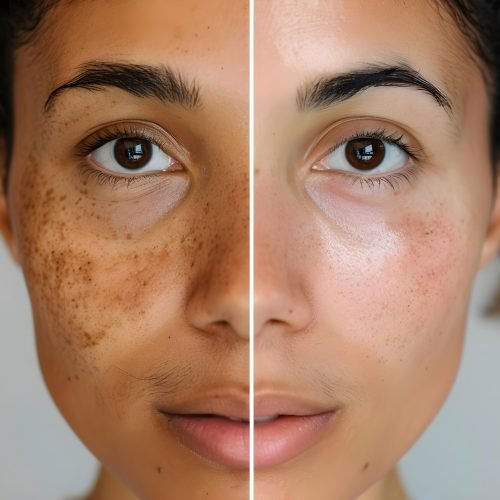
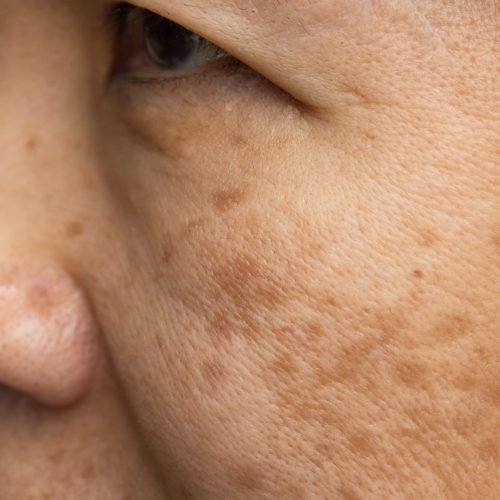
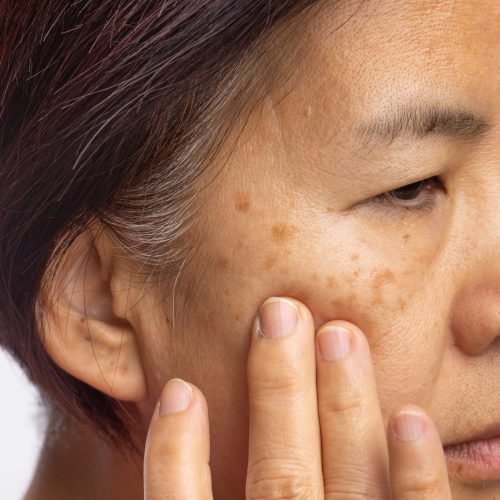
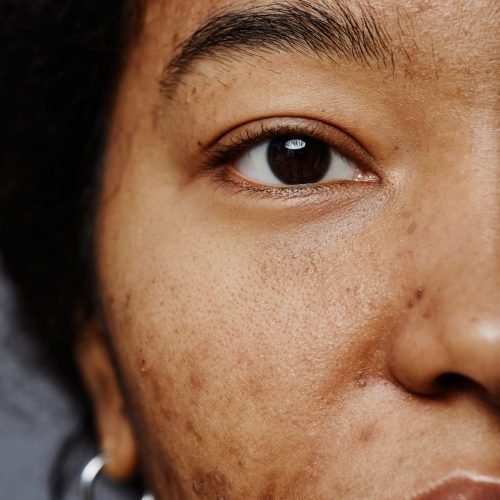
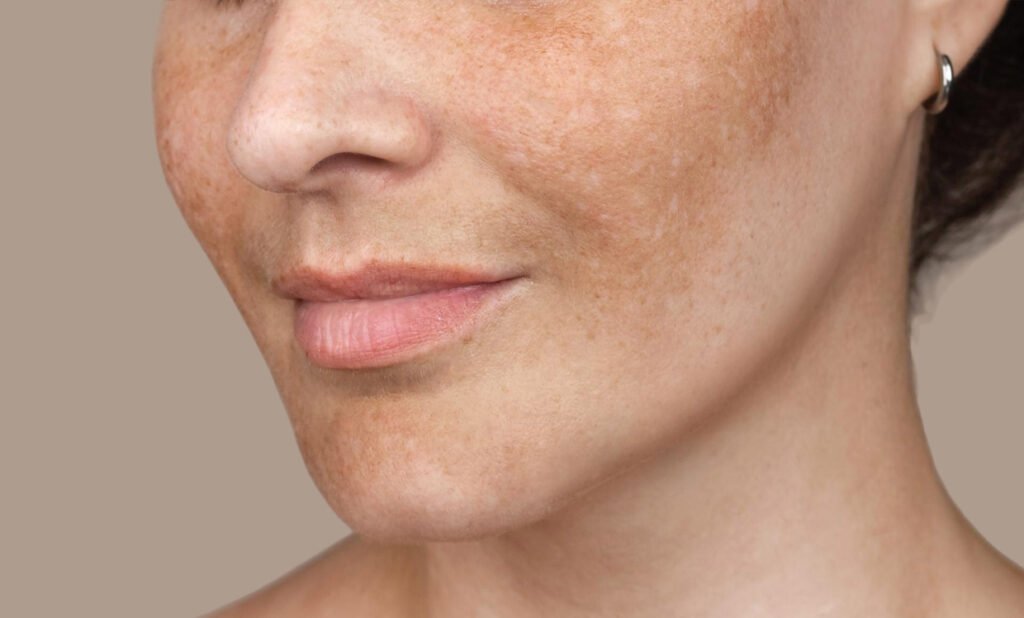
Pigmentation concerns are extremely common and can appear in many different forms. Understanding what you’re experiencing and what contributes to it is essential for choosing safe and effective treatment options. In our skin-wellness clinic this knowledge allows us to personalise your care while supporting your overall skin health.
Common Forms of Pigmentation Changes
Increased Pigmentation (Darker Areas)
This happens when the skin produces excess melanin, leading to darker patches. These can appear as:
Sun-related dark spots: Often seen on the face, hands and chest.
Hormone-influenced: Pigmentation that appears in symmetrical areas of the face.
Dark marks: Left behind after breakouts, irritation or injury.
Reduced Pigmentation (Lighter Patches): Some people experience lighter areas where melanin production is reduced. These areas appear paler than the surrounding skin. The correct approach depends entirely on the individual cause and always requires professional skin assessment.
Freckling: Small, flat brown spots that develop due to a combination of genetics and sun exposure. They often become more noticeable in sunlight and fade during winter months.
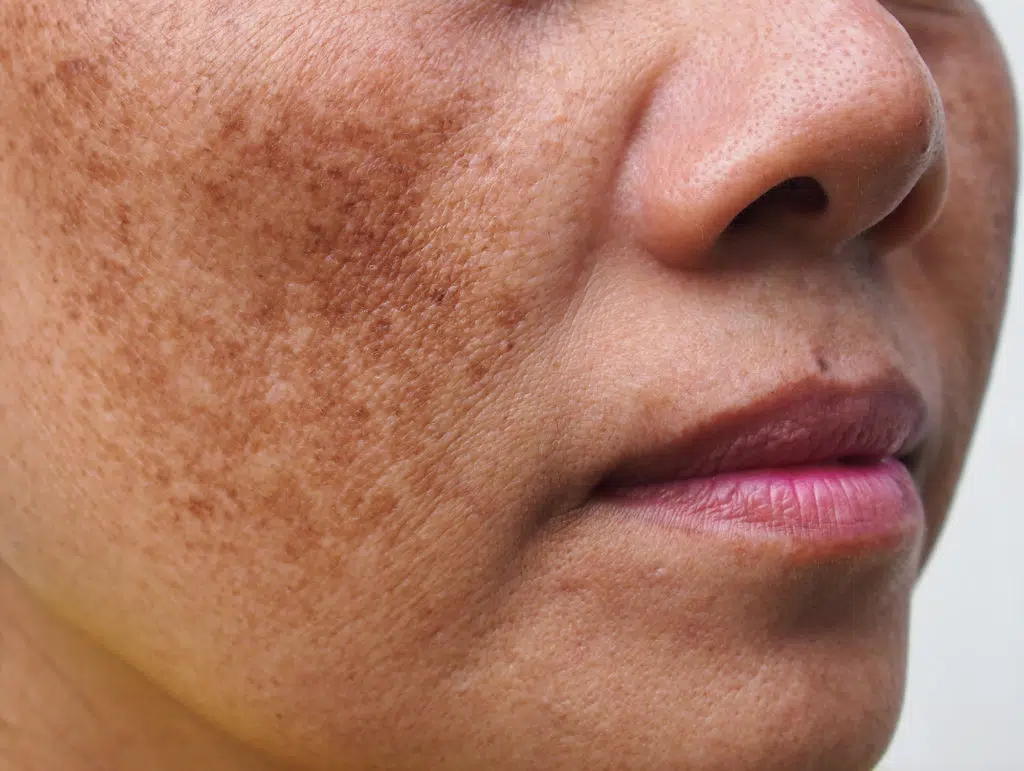
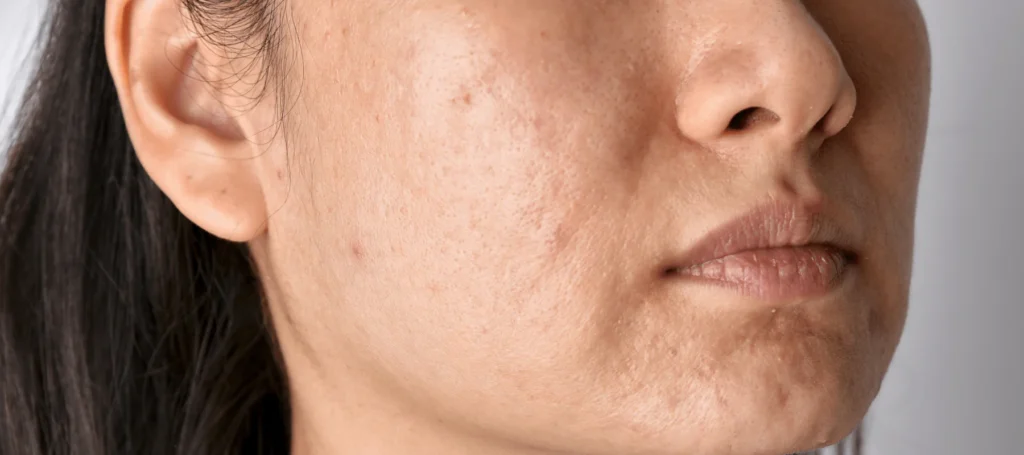
Pigmentation develops when melanin production becomes uneven or overstimulated. Common contributing factors include:
Sun Exposure: UV light stimulates melanin production and, over time, can cause long-lasting uneven tone.
Hormonal Shifts: Pregnancy, contraception, and natural hormonal changes can influence pigment activity.
Skin Inflammation or Trauma: Breakouts, irritation, burns, and aggressive skincare may leave long-lasting dark marks.
Genetics: Some people are naturally more prone to freckling or uneven pigmentation.
Heat & Light Exposure: Not just UV light—even heat and visible light may worsen stubborn pigment
Ageing: Sun exposure accumulated over time becomes more visible as skin matures.
Products or Medications: Some ingredients can increase sensitivity to sunlight, leading to darkening.
Why Understanding Your Pigmentation Matters
Each type of pigmentation responds differently to treatment. Some forms require a gentle, carefully controlled approach, while others respond well to targeted professional skin treatments. This is why a personalised, medically guided consultation is so important.
Ready to Start Your Skin Brightening Journey?
If pigmentation or uneven tone is affecting your confidence, professional guidance can make all the difference.